


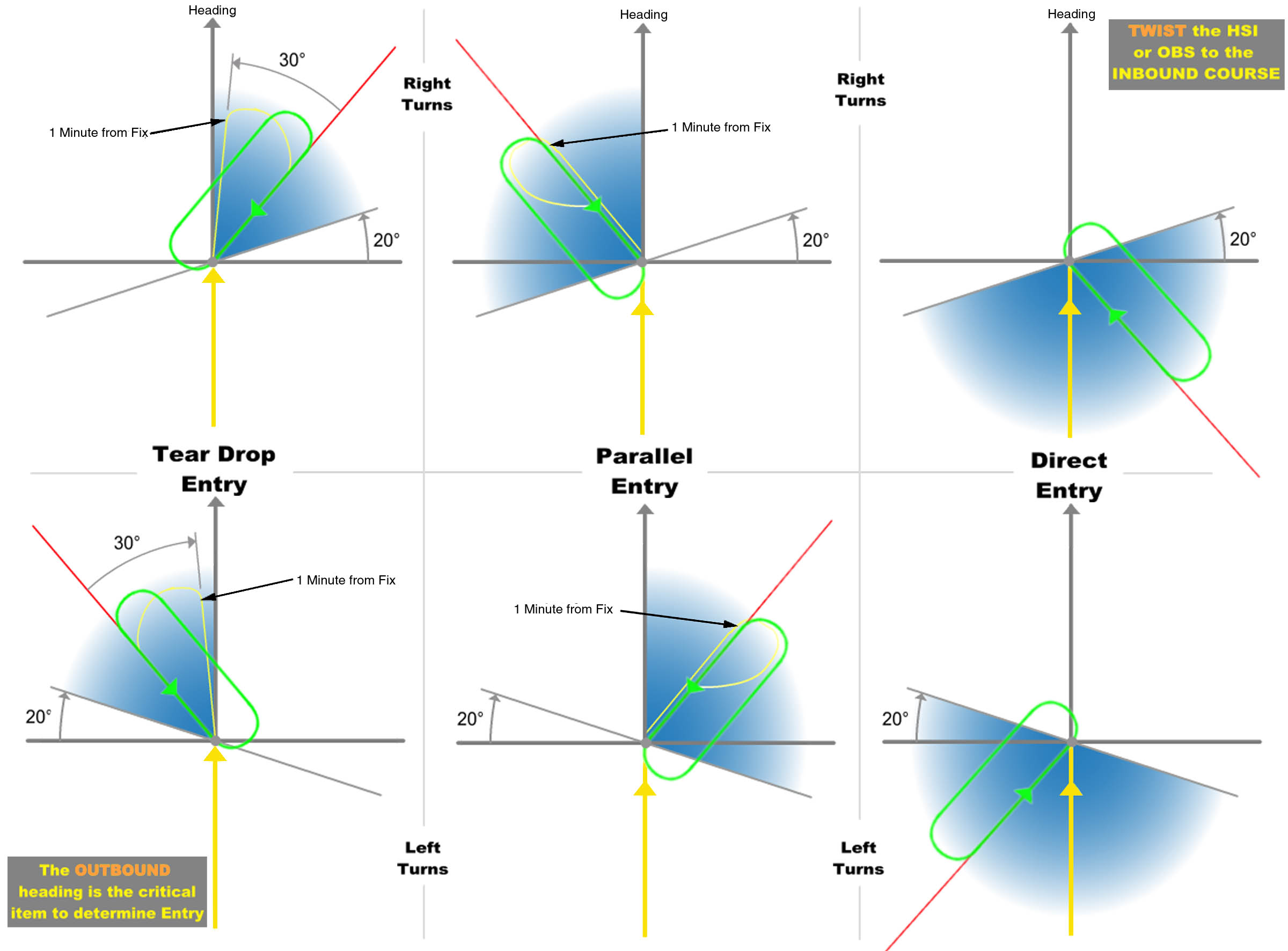
Practice choosing the right holding pattern entry, that is, direct, teardrop, or parallel. This Demonstration simulates a holding pattern entry situation by indicating the course of the aircraft, the radial specified to hold on, and whether or not a left turn is instructed by air traffic control (ATC). Click the correct button to indicate your choice and get the next test case. How many points can
Calculator pattern simple illustration calculator hi-res stock photography and images – Alamy
Practicing Aircraft Holding Pattern Entries. g the course of the arcraft, the rada specfed to hod on, and whether or not a eft turn s nstructed by ar traffc contro (ATC). C ck the correct button to ndcate your choce and get the next test case. How many ponts can you get n two mnutes?
Source Image: reddit.com
Download Image
Holding pattern entries. Direct Entry. … The app also serves as a holding pattern entry calculator. Check it out here: Hold Trainer for Android and iOS. Holding speeds restrictions. Altitude (MSL) Max airspeed (kts) 6000′ or below: 200 kts: 6001-14,000: 230 kts: 14,001 and above: 265 kts:

Source Image: nurseslabs.com
Download Image
Holding Pattern Entries Made Easy | English, pattern, video recording | I’ll be the first to admit that holding pattern entries are TOUGH. In todays video I’ll break them down into plain Feb 6, 2024Determine the correct Entry Procedure. Depending on where you enter the holding pattern, you will need to follow an entry procedure. If you are coming from 70° to the left (right for non-standard patterns) of the holding course, use a Teardrop procedure. Coming from 110° to the right (or left if non-standard), use the Parallel procedure. And

Source Image: pinterest.com
Download Image
Holding Pattern Entry Calculator
Feb 6, 2024Determine the correct Entry Procedure. Depending on where you enter the holding pattern, you will need to follow an entry procedure. If you are coming from 70° to the left (right for non-standard patterns) of the holding course, use a Teardrop procedure. Coming from 110° to the right (or left if non-standard), use the Parallel procedure. And The program allows you to calculate and show the correct holding entry, introducing the holding inbound course, the aircraft heading and the holding type. Features: Calculation of the Holding type; Display of the entry sectors for the holding; Display of the correct path for the holding; QDM representation; Download:
Holding Pattern Entries Made Easy | Aviation education, Flight training, Flying lessons
Today we’re looking at three different ways to enter a Holding Pattern. These include the Direct Entry, Offset or Teardrop Entry and the Parallel Entry. Hold Determine HOLDING ENTRIES in under 10 SECONDS PART 2 explained by CAPTAIN JOE – YouTube

Source Image: m.youtube.com
Download Image
HOLDING PROCEDURES. HOLDING ENTRIES | by Nikolaj Vinicoff | Medium Today we’re looking at three different ways to enter a Holding Pattern. These include the Direct Entry, Offset or Teardrop Entry and the Parallel Entry. Hold

Source Image: nikovinic.medium.com
Download Image
Calculator pattern simple illustration calculator hi-res stock photography and images – Alamy Practice choosing the right holding pattern entry, that is, direct, teardrop, or parallel. This Demonstration simulates a holding pattern entry situation by indicating the course of the aircraft, the radial specified to hold on, and whether or not a left turn is instructed by air traffic control (ATC). Click the correct button to indicate your choice and get the next test case. How many points can
Source Image: alamy.com
Download Image
Holding Pattern Entries Made Easy | English, pattern, video recording | I’ll be the first to admit that holding pattern entries are TOUGH. In todays video I’ll break them down into plain Holding pattern entries. Direct Entry. … The app also serves as a holding pattern entry calculator. Check it out here: Hold Trainer for Android and iOS. Holding speeds restrictions. Altitude (MSL) Max airspeed (kts) 6000′ or below: 200 kts: 6001-14,000: 230 kts: 14,001 and above: 265 kts:

Source Image: facebook.com
Download Image
Determine HOLDING ENTRIES in under 10 SECONDS PART 2 explained by CAPTAIN JOE – YouTube Apr 26, 2022A quick rule of thumb to figure out the bank angle for a Standard Rate turn is to divide your airspeed by 10, then add half of it to the result. For example, if a light aircraft is holding at a speed of 100 knots, here’s how you get the bank angle: 100 / 10 = 10. 10 / 2 = 5. 10 + 5 = 15 degrees of bank.

Source Image: m.youtube.com
Download Image
How to Calculate Electricity Bill? Electric Bill Calculator Feb 6, 2024Determine the correct Entry Procedure. Depending on where you enter the holding pattern, you will need to follow an entry procedure. If you are coming from 70° to the left (right for non-standard patterns) of the holding course, use a Teardrop procedure. Coming from 110° to the right (or left if non-standard), use the Parallel procedure. And

Source Image: electricaltechnology.org
Download Image
How To Enter A Holding Pattern | Boldmethod The program allows you to calculate and show the correct holding entry, introducing the holding inbound course, the aircraft heading and the holding type. Features: Calculation of the Holding type; Display of the entry sectors for the holding; Display of the correct path for the holding; QDM representation; Download:

Source Image: boldmethod.com
Download Image
HOLDING PROCEDURES. HOLDING ENTRIES | by Nikolaj Vinicoff | Medium
How To Enter A Holding Pattern | Boldmethod Practicing Aircraft Holding Pattern Entries. g the course of the arcraft, the rada specfed to hod on, and whether or not a eft turn s nstructed by ar traffc contro (ATC). C ck the correct button to ndcate your choce and get the next test case. How many ponts can you get n two mnutes?
Holding Pattern Entries Made Easy | English, pattern, video recording | I’ll be the first to admit that holding pattern entries are TOUGH. In todays video I’ll break them down into plain How to Calculate Electricity Bill? Electric Bill Calculator Apr 26, 2022A quick rule of thumb to figure out the bank angle for a Standard Rate turn is to divide your airspeed by 10, then add half of it to the result. For example, if a light aircraft is holding at a speed of 100 knots, here’s how you get the bank angle: 100 / 10 = 10. 10 / 2 = 5. 10 + 5 = 15 degrees of bank.


